
Andy Holloman

Andy Holloman

Loan Officer
NMLS #69911
Mobile: 919-971-4030
Serving in NC
Branch: Apex

Meet Andy

Andy grew up in Greenville, NC and graduated from the University of North Carolina at Chapel Hill with a degree in Economics. He has been a Loan Officer for almost twenty years. Working out of the Apex branch, he has the experience, industry insight and personality to meet the unique needs of each borrower. Specializing in smooth transactions and great communication, thousands of borrowers have trusted him with one of their biggest personal investments. Andy got into the mortgage industry because he enjoys helping people. Over the years he has helped his clients with almost every mortgage loan product, including home purchase loans, refinance, and VA loans.

Andy’s clients appreciate his problem-solving abilities. Using his experience and knowledge Andy can find creative ways to meet each borrower’s unique needs. Along the way he makes sure the client is informed and explains every step they need to take to close on time and with minimal effort.

When not in the office, Andy enjoys spending time with his family. He has been married for almost thirty years and has three grown children. Andy is also a self-described tennis fanatic.
FAQs

Common Questions For Andy

What’s the difference between pre-qualification and pre-approval?

The difference between pre-qualification and pre-approval is simple. Pre-approval means that a lender has reviewed the key documents involved in underwriting—income and assets. Think of it as a “mini-underwrite.” Pre-qualification is done by recording the data provided by buyers without reviewing the actual documents. When it comes to which action is better for borrowers, it is best to follow the recommendations of your loan officer regarding which one is appropriate for your situation.

How much home can I afford?

Lenders will use a simple ratio to determine the amount of home you can qualify for. Often called a “debt ratio,” it is simply a measurement of your monthly expenses, per your credit report, plus a new mortgage payment. This figure is divided by your monthly gross earnings. Typically, borrowers need a debt ratio between 40% and 45% to qualify. In some cases, certain loan types will allow for a higher debt ratio or may require a lower one. Check with your lender and give them all the information they need to ensure that your debt ratio calculation is accurate so they can place you in the loan option best suited for you.

What credit score do I need to buy a home?

There are no “hard and fast” rules when it comes to a minimum credit score, as different loan types will allow for different scores. Also, remember that credit scores consumers may see through Credit Karma, their credit card site, or other websites may use a different scoring model (VantageScore) compared to the model commonly used in the lending world (FICO). If you are aware that your credit score may be an issue, discuss that with your lender so they can offer you guidance on the best loan option now or on how your situation can be improved over time.

How much do I need for a down payment?

Typically, down payments range between 3% and 20%. Some advantages are available to borrowers who can put down 20%, but there are many options for smaller down payments. Your lender may also recommend zero-down options if they are applicable. The important factor when it comes to a down payment is to be accurate about what is practical for you, and don’t hesitate to disclose the entire amount you have available, if any. Your lender can best serve you by being aware of the range of funds you have available and can thus give you several options.

How long does the mortgage process take?

Most of the time, the mortgage process takes 30 days from the time of application to closing. It is essential, though, to be prepared for delays. Because there are about 15 people involved in the mortgage process, it can be delayed due to unforeseen circumstances. Always allow for extra time, and be careful not to commit to any hard deadlines until your loan officer gives you the green light to lock in a closing date. In most cases, your planned closing date will happen.

Should I get pre-approved before talking to a real estate agent?

Yes. Real estate agents will bring up the question of pre-qualification or pre-approval very early in the process to ensure that you are able to purchase any home you express interest in. They know that speaking with a lender is an essential part of the purchase process. In order to provide you with the best advice, real estate agents need to know that you are capable of purchasing in the price range you desire. Lender conversations are sometimes avoided because buyers are worried or feel that they have to start providing a lot of documents. It is normally a 10-minute conversation and is very pain-free. Documents will come later in the process, and having your credit reviewed is not detrimental to your score in the least.

Reviews

What Clients Are Saying

Contact Andy

Send me a message below.

"*" indicates required fields

I am interested in

From Our BlogLatest GoPrime Articles

the hidden costs of buying a home in 2025

Hidden Costs of Buying a Home 2026

July 7, 2026

As exciting as it is to take the leap into homeownership, it’s important to have a realistic idea of the costs associated with buying a new home before you take that plunge.

Read Article

Buying a House in 2026: 10 Steps First Time Buyers Need to Know

April 20, 2026

How to Buy a House in 2026: Step by Step Guide for First Time Buyers Buying a home in 2026 is different than it was just a few years ago. Rates are higher, affordability is tighter, and the market moves fast when the right home hits. Here is the good […]

Read Article

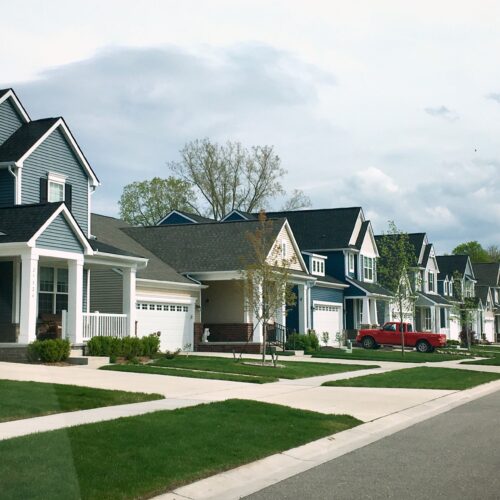
5 Signs of a Great Neighborhood: Homebuyer’s Guide

March 4, 2026

Look for these signs of a great neighborhood while house hunting, and ensure you love both your new home and where it is located.

Read Article