5 Signs of a Great Neighborhood: Homebuyer’s Guide
March 4, 2026
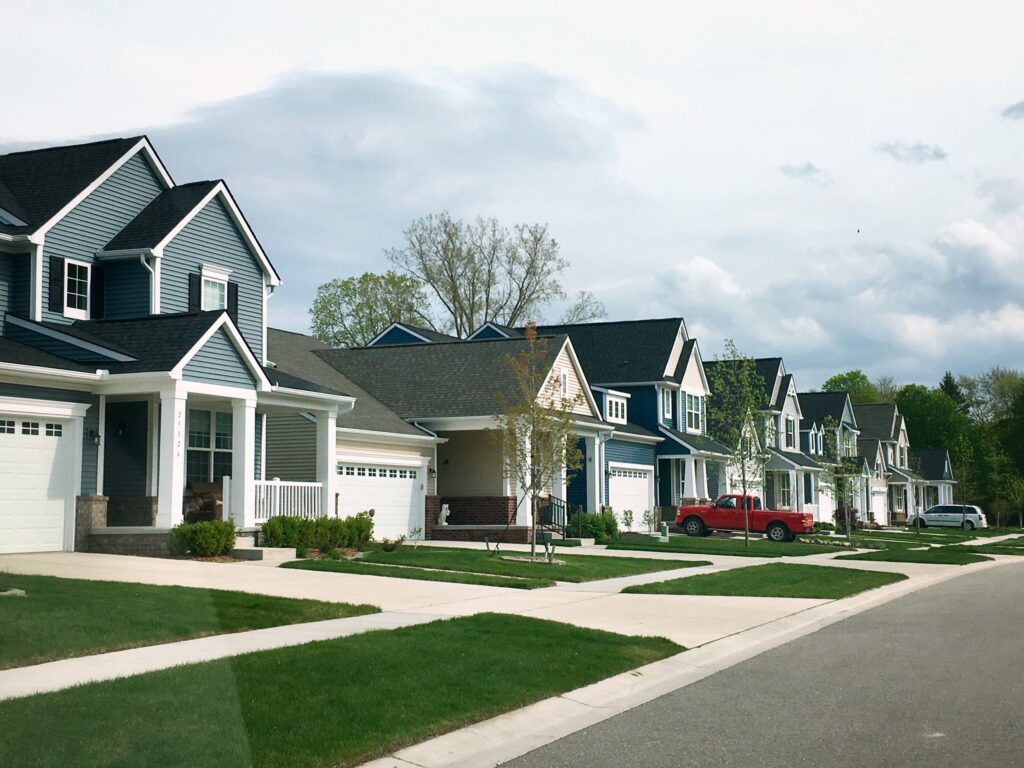
It is easy in the house hunt to get hung up on the house itself. Homebuyers can become hyper focused on specific features of the home and fail to consider the bigger picture, such as the property it’s located on and the surrounding areas. You can find the perfect house, but if it’s not in the right location it can become a purchase you regret down the line. Look for these signs of a great neighborhood while house hunting, and ensure you love both your new home and where it is located.
Summary Great neighborhoods show pride of ownership through well-maintained homes and attractive curb appeal. Strong school districts, good walkability with safe, well-lit sidewalks, and convenient access to key amenities are core indicators. Balance proximity to highways and services with potential road noise. Prioritizing location alongside home features supports long-term satisfaction and resale value.
Well Maintained Homes
One of the biggest indicators of a great neighborhood is how well the homes are maintained. Look for signs of homes that are being consistently cared for. Some examples include siding that is in good condition, roofs with no obvious signs of disrepair, and updated windows. This may feel like nitpicking, but it shows how invested homeowners are in their properties. Pride of ownership is a strong indicator of a great neighborhood.
Attractive Curb Appeal
The way people take care of their landscaping reflects what type neighborhood it is. Lawns that are neatly manicured and curb appeal that is not neglected show that the neighborhood is filled with homeowners that truly value where they live. The neighborhood does not need to look like a high end golf resort, but it should be well maintained.
School District
School districts are one of the biggest selling points for prospective buyers. This can be a make it or break it factor for many families looking for a new home. Whether or not you are concerned with the schools in the area, it is important to keep this in mind as the school district can be a big deterrent when you are eventually looking to sell. Look online to verify what schools the address is zoned for and see what type of ratings and reviews they have.
Walkability
There is a sense of community and belonging when you can open your front door and comfortably walk around your neighborhood. When viewing houses, look to see if people are out riding bikes with their kids or walking their dogs. Some signs of a neighborhood with great walkability are well maintained sidewalks, street lighting, and roads that are kept relatively clear of vehicles and personal property.
Distance to Amenities
There are many things you can change about a house’s structure, but the physical location is not one of them. A good neighborhood is one that is conveniently located to the amenities people in your city and price point are looking for. Consider the distance to major highways for commuting as well as the distance to various grocery stores, restaurants, and retail facilities. Conversely, be aware of how loud road noise may be if you are directly next to a major throughway. Are buyers in your area looking for a remote escape or a safe haven within close distance to everything they need?
Finding the right neighborhood is an important part of finding a home that you can be happy in for years to come. It also affects the resale value of the home over time. When looking to buy a house, make a list of not only the features you’d like in a house, but also the type of attributes you are looking for in a neighborhood.
Question: Why do well-maintained homes matter when evaluating a neighborhood? Short answer: Consistently cared-for homes signal pride of ownership, which is a strong indicator of a great neighborhood. Look for siding in good condition, roofs without visible disrepair, and updated windows. These details show that residents invest in their properties, contributing to a stable, attractive area that tends to hold value over time.
Question: How does curb appeal reflect the quality of a neighborhood? Short answer: Neatly maintained lawns and landscaping suggest homeowners value where they live. The area doesn’t need to look like a luxury resort; it just needs to be well kept. Consistent curb appeal across homes points to a community standard of care and often correlates with a more pleasant, cohesive neighborhood experience.
Question: I don’t have kids—why should I care about the school district? Short answer: School districts are major selling points for many buyers and can be a make-or-break factor during resale. Even if schools aren’t a personal priority, strong ratings and reviews can expand your future buyer pool and support your home’s marketability and value.
Question: What should I look for to judge walkability when touring a neighborhood? Short answer: Look for well-maintained sidewalks, good street lighting, and roads that are relatively clear of vehicles and personal property. Seeing people out walking dogs or riding bikes with kids suggests comfort and community. These signs point to safe, convenient daily living that many buyers value.
Question: How do I balance convenience to amenities and highways with potential road noise? Short answer: Aim for easy access to major highways, grocery stores, restaurants, and retail while being mindful of how close is too close. Proximity boosts daily convenience and appeal, but being directly next to a major throughway can introduce loud road noise. Consider what buyers in your area prefer—whether a quieter, more remote feel or a location close to everything—and choose accordingly.